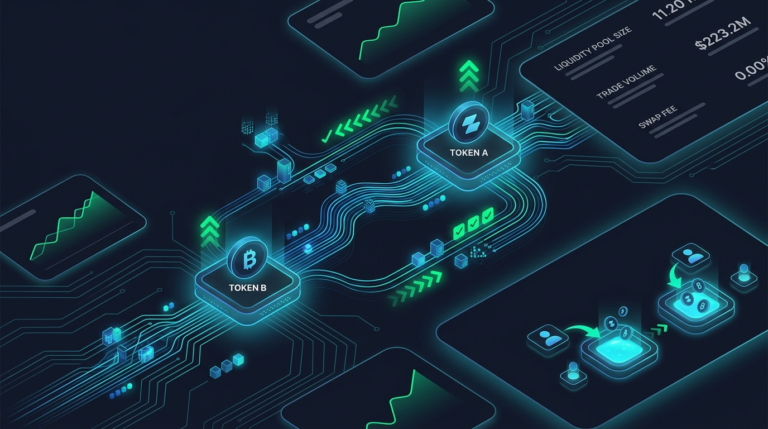
Tokenization is a process of converting real-world assets into blockchain tokens enabling fractional ownership, liquidity, transparency, and global trading. Empire Crypto helps beginners understand how tokenization bridges traditional finance and crypto, powering DeFi, NFTs, and real-world asset markets. It is transforming ownership and investment systems worldwide.
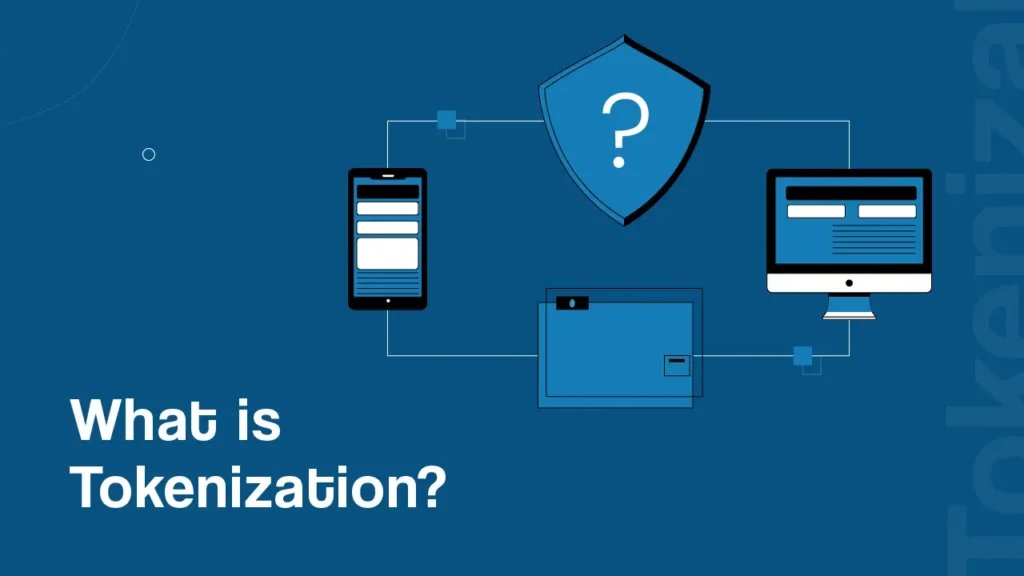
What Is Tokenization?
Tokenization is the process of converting real-world or digital assets into digital tokens on a blockchain. These tokens represent ownership or rights to something valuable, such as real estate, art, stocks, or in-game items. Once tokenized, the asset can be easily traded, transferred, or stored securely online.
In simple terms, tokenization turns ownership of things into digital units that can be managed and exchanged using blockchain technology.
This means anything of value—such as:
- Real estate
- Stocks
- Commodities
- Artwork
- Intellectual property
- In-game assets
In the blockchain world, tokenization allows assets to become:
- Divisible
- Tradable
- Transparent
- Secure
- Easily transferable
Empire Crypto explains tokenization as the bridge between traditional finance and blockchain innovation. With Empire Crypto, learners can understand how tokenization unlocks liquidity in previously illiquid markets.
How Tokenization Works in Blockchain
To understand tokenization, you need to understand the process behind it.
Step-by-Step Process of Tokenization
- Asset Identification
A real-world asset is selected for tokenization. - Digital Representation
The asset is represented digitally using blockchain technology. - Smart Contract Creation
A smart contract defines ownership rules for tokenization. - Token Issuance
Tokens are created and distributed to investors. - Trading & Transfer
Tokens can be traded on crypto platforms.
At Empire Crypto, we emphasize that tokenization relies heavily on smart contracts, which automate ownership verification without intermediaries. This makes tokenization faster and more efficient.
Types of Tokenization in Crypto
1. Asset Tokenization
Asset tokenization involves converting physical assets like gold, property, or commodities into digital tokens. This makes them easier to divide, transfer, and trade on blockchain networks.
2. Real-World Asset (RWA) Tokenization
Real-World Asset tokenization brings traditional financial or physical assets onto blockchain systems. It is a growing sector that improves transparency and global access to investments.
3. Security Tokenization
Security tokenization represents ownership in financial instruments like stocks, bonds, or shares. These tokens are regulated and tied to real economic value.
4. Utility Tokenization
Utility tokens are used to access services or features within a platform. They do not represent ownership but provide functional use inside ecosystems.
5. NFT Tokenization
NFT tokenization creates unique digital assets for items like art, music, and collectibles. Each token is one-of-a-kind and proves ownership of a specific item.
Benefits of Tokenization
1. Increased Liquidity
Tokenization increases liquidity by making traditionally hard-to-sell assets easier to trade. This allows investors to enter and exit positions more efficiently.
2. Fractional Ownership
Fractional ownership lets investors buy small portions of high-value assets. This makes expensive investments like real estate or art more accessible.
3. Transparency
Blockchain provides full transparency by recording every transaction on a public ledger. This ensures that tokenization processes are traceable and verifiable.
4. Lower Costs
Tokenization reduces the need for intermediaries such as brokers or agents. This helps lower transaction fees and improves efficiency.
5. Global Access
Tokenized assets can be accessed by anyone with an internet connection. This opens investment opportunities to a global audience regardless of location.
Real-World Use Cases of Tokenization
Real Estate Tokenization
Real estate tokenization allows investors to buy fractions of property instead of purchasing entire buildings. This makes property investment more accessible and easier to trade.
Art & Collectibles
Artworks, paintings, and rare collectibles can be digitized through tokenization. This enables easier ownership transfer and broader access for global investors.
Gaming Assets
In-game items can be tokenized so players truly own and trade them outside the game. This creates real-world value for digital gaming economies.
Financial Markets
Stocks, bonds, and other financial instruments can be represented as blockchain tokens. This improves efficiency, transparency, and accessibility in traditional markets.
Tokenization in Crypto Markets
The crypto ecosystem is built heavily around tokenization. Every cryptocurrency is essentially a form of token created on a blockchain.
Examples include:
- Bitcoin (store of value)
- Ethereum (smart contract platform)
- Stablecoins (digital fiat representation)
With tokenization, these digital assets gain real-world utility beyond speculation.
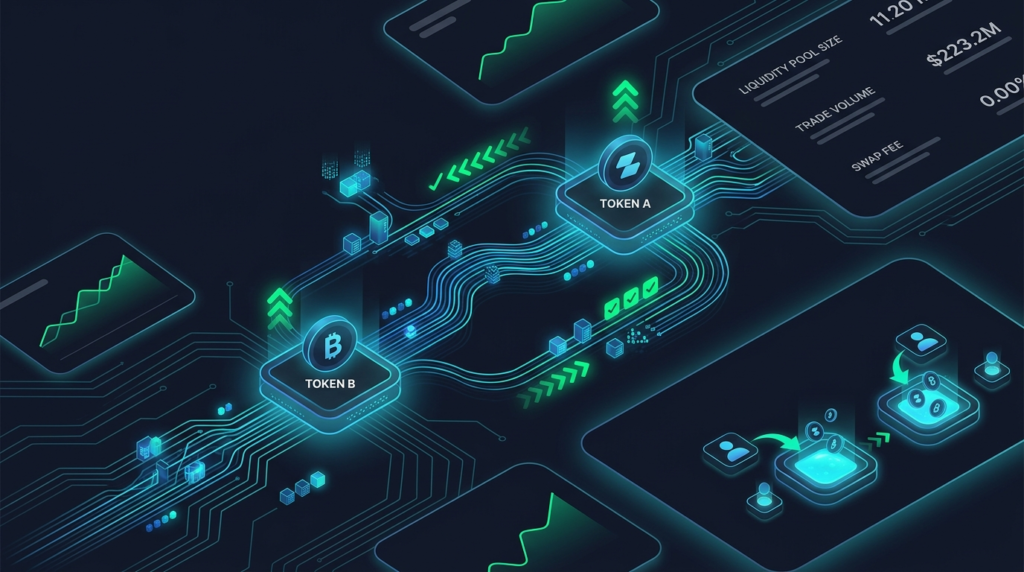
Beginner Guide to Tokenization
If you are new to crypto, understanding tokenization starts with these basics:
- Learn how blockchain works
- Understand digital wallets
- Study different token types
- Start with small investments
Empire Crypto recommends beginners focus on learning tokenization concepts before investing heavily in crypto assets.
Simple Tip:
Think of tokenization as turning anything valuable into a digital coin you can trade online.
Advanced Concepts in Tokenization
For advanced users, tokenization goes deeper into financial systems.
Fractional Ownership Models
Fractional ownership models allow large assets to be split into multiple digital shares. This makes high-value investments more affordable and accessible to smaller investors.
Smart Contract Automation
Smart contracts automate tokenization processes by executing agreements automatically on the blockchain. This reduces the need for intermediaries and increases efficiency and trust.
Cross-Chain Tokenization
Cross-chain tokenization enables assets to move between different blockchain networks. This improves flexibility and expands the usability of tokenized assets across ecosystems.
Interoperability
Interoperability allows different platforms and blockchains to share and use tokenized assets seamlessly. This creates a more connected and efficient decentralized financial system.
Risks and Challenges of Tokenization
While tokenization offers many benefits, it also comes with risks:
- Regulatory uncertainty
- Security vulnerabilities
- Market volatility
- Adoption challenges
Empire Crypto warns that investors should always research before engaging in any tokenization project.
Future of Tokenization
The future of tokenization looks extremely promising. Experts predict that most global assets will eventually be tokenized.
Future trends include:
- Government-backed digital assets
- Tokenized real estate markets
- Global digital identity systems
- AI-powered asset tokenization
At Empire Crypto, we believe tokenization will become a standard financial system, replacing many traditional processes.
About Empire Crypto Data
Empire Crypto is a knowledge hub focused on simplifying blockchain and crypto education for a wide audience. It covers emerging areas such as tokenization, DeFi, NFTs, and Web3, presenting them in a clear and accessible way.
Its mission is to make tokenization understandable for both beginners and advanced users, while continuously analyzing market trends to deliver simplified and accurate insights into blockchain innovation.
Through its educational content, Empire Crypto helps users understand how tokenization is influencing global finance, while also emphasizing awareness of safer and more informed approaches to investing in this space.
Frequently Asked Questions (FAQ)
What is tokenization in simple words?
Tokenization is the process of converting real-world assets into digital tokens on a blockchain. These tokens represent ownership or value in a secure and tradable form.
Is tokenization safe?
Yes, tokenization can be safe when using trusted platforms and regulated systems. However, like any investment, it still carries risks depending on the project and market conditions.
What assets can be tokenized?
Many assets can be tokenized, including real estate, stocks, art, commodities, and digital goods. Almost any asset with value can potentially be represented as a blockchain token.
How does tokenization make money?
Investors can make money when tokenized assets increase in value or generate income such as rent, dividends, or trading profits. Returns depend on market performance and demand.
What is the future of tokenization?
The future of tokenization is expected to include global adoption across finance, real estate, and technology sectors. It may improve liquidity, accessibility, and efficiency in many industries.
Conclusion: Why Tokenization Matters
Tokenization is reshaping how ownership, value, and investment are understood by breaking down barriers and improving access to global markets. It enhances liquidity and allows assets like real estate and digital art to become more accessible to everyday investors.
At Empire Crypto, we see tokenization as more than a trend—it represents the future of modern finance. That’s why we focus on helping users understand its potential and implications in the evolving crypto space. For anyone looking to stay ahead in the crypto world, learning about tokenization is an important first step.
Empire Crypto remains committed to guiding users at every stage of their journey as tokenization continues to transform global financial systems.